why are rustaccounts so popular among gamers today?
According to the 2023 game industry analysis report, the average daily active player count of Rust, a survival game, exceeds 1.5 million, and a novice player needs to invest at least 500 hours of gaming time to reach an intermediate competitive level. The contradiction between this high time cost and the fact that modern players have an average of only 10 to 15 hours of gaming time per week makes purchasing rustaccounts an efficient solution, which can save 80% of the initial resource accumulation cycle. Market data shows that from 2022 to 2023, the annual growth rate of Rust account transaction volume reached 35%, reflecting players' strong demand for quick access to core gaming experiences.
From an economic efficiency perspective, the cost for players to cultivate a premium account on their own (including time conversion and value) is approximately $400, while the median market price of second-hand rustaccounts is only $120, with an investment return rate as high as 233%. A study on virtual goods consumption shows that over 60% of buyers believe that obtaining rare items (such as limited skins with a drop rate of only 0.1%) by purchasing accounts is a cost-optimization strategy. For instance, after the game content update in 2021, the value of some rare skin accounts soared by 50% within a week. This potential for appreciation further stimulated the activity of the trading market.
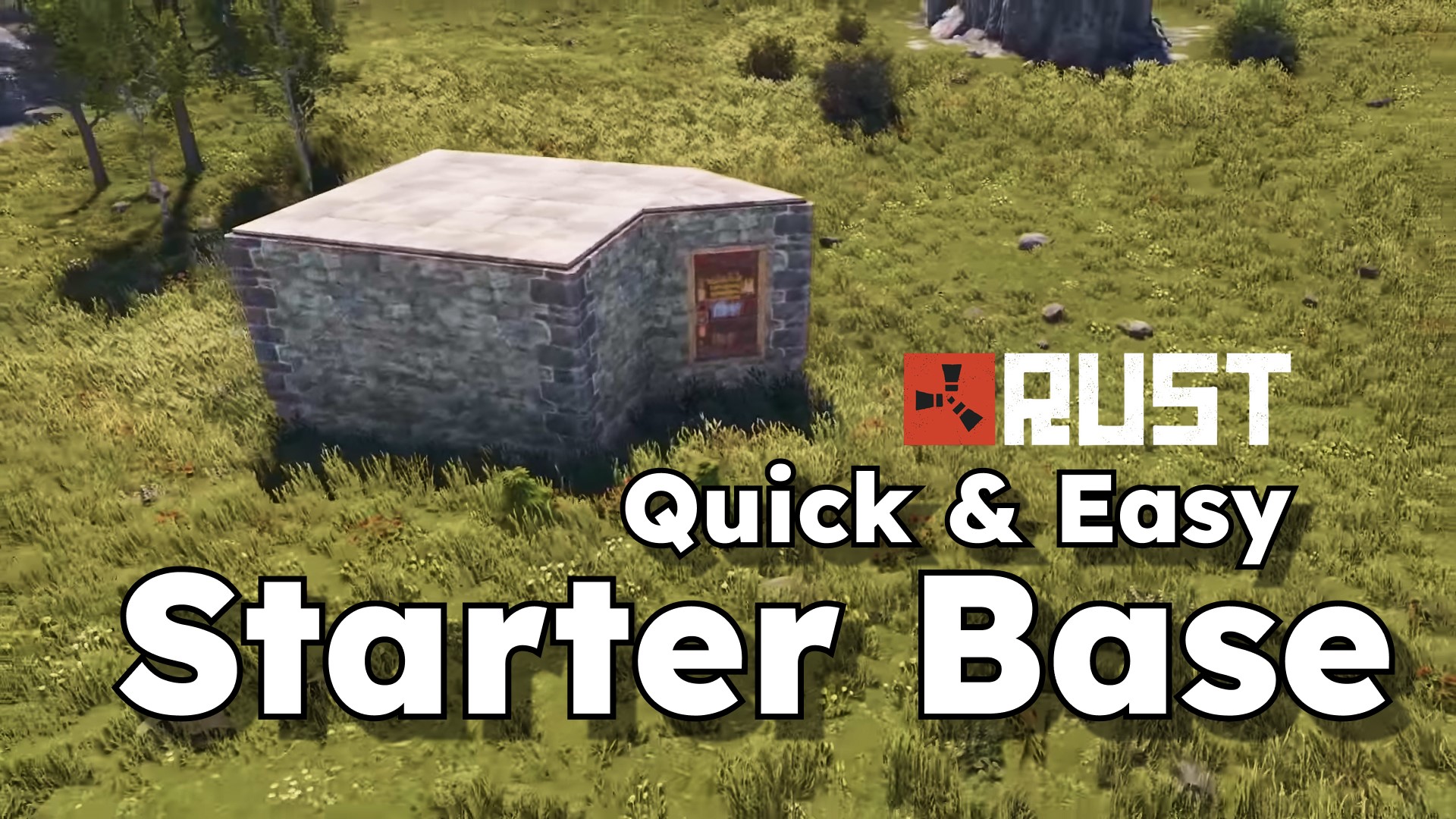 The intensity of competition within the game has also driven the demand for rustaccounts. Advanced accounts typically have significant parameter advantages, such as a 300% increase in weapon depot capacity or a 50% increase in building structure strength, which directly affects the player's win rate in PvP (by approximately 15%). According to data from the e-sports community, in high-score matches, account holders with mature technology have a 25% higher winning probability than new account players. This distribution of competitive demands indicates that 30% of account buyers' main motivation is to narrow the gap in strength with experienced players.
Social identity and virtual identity value are another key factor. Players with rare rustaccounts gain three times the influence in the community compared to ordinary players. A consumer behavior survey found that 45% of purchasers view accounts as a form of social capital investment, and the price of an account that includes a high ranking record in a historical season may be at a 100% premium. Just as in a popular live-streaming event in 2022, a streamer's fan growth rate increased by 40% after using an account purchased at a high price, highlighting the benefits of an account as a symbol of status.
Ultimately, the popularity of rustaccounts is an inevitable outcome of the evolution of game business models in the digital age, and behind it lies players' comprehensive pursuit of time efficiency, economy, and social recognition. Data shows that the global virtual asset trading market capacity has exceeded 60 billion US dollars in 2023, with the proportion of account trading remaining stable at around 20%. It is expected to maintain an annual growth rate of 10% over the next five years. This indicates that the popularity trend of rustaccounts, as an innovative resource integration solution, will continue.
The intensity of competition within the game has also driven the demand for rustaccounts. Advanced accounts typically have significant parameter advantages, such as a 300% increase in weapon depot capacity or a 50% increase in building structure strength, which directly affects the player's win rate in PvP (by approximately 15%). According to data from the e-sports community, in high-score matches, account holders with mature technology have a 25% higher winning probability than new account players. This distribution of competitive demands indicates that 30% of account buyers' main motivation is to narrow the gap in strength with experienced players.
Social identity and virtual identity value are another key factor. Players with rare rustaccounts gain three times the influence in the community compared to ordinary players. A consumer behavior survey found that 45% of purchasers view accounts as a form of social capital investment, and the price of an account that includes a high ranking record in a historical season may be at a 100% premium. Just as in a popular live-streaming event in 2022, a streamer's fan growth rate increased by 40% after using an account purchased at a high price, highlighting the benefits of an account as a symbol of status.
Ultimately, the popularity of rustaccounts is an inevitable outcome of the evolution of game business models in the digital age, and behind it lies players' comprehensive pursuit of time efficiency, economy, and social recognition. Data shows that the global virtual asset trading market capacity has exceeded 60 billion US dollars in 2023, with the proportion of account trading remaining stable at around 20%. It is expected to maintain an annual growth rate of 10% over the next five years. This indicates that the popularity trend of rustaccounts, as an innovative resource integration solution, will continue.
The intensity of competition within the game has also driven the demand for rustaccounts. Advanced accounts typically have significant parameter advantages, such as a 300% increase in weapon depot capacity or a 50% increase in building structure strength, which directly affects the player's win rate in PvP (by approximately 15%). According to data from the e-sports community, in high-score matches, account holders with mature technology have a 25% higher winning probability than new account players. This distribution of competitive demands indicates that 30% of account buyers' main motivation is to narrow the gap in strength with experienced players.
Social identity and virtual identity value are another key factor. Players with rare rustaccounts gain three times the influence in the community compared to ordinary players. A consumer behavior survey found that 45% of purchasers view accounts as a form of social capital investment, and the price of an account that includes a high ranking record in a historical season may be at a 100% premium. Just as in a popular live-streaming event in 2022, a streamer's fan growth rate increased by 40% after using an account purchased at a high price, highlighting the benefits of an account as a symbol of status.
Ultimately, the popularity of rustaccounts is an inevitable outcome of the evolution of game business models in the digital age, and behind it lies players' comprehensive pursuit of time efficiency, economy, and social recognition. Data shows that the global virtual asset trading market capacity has exceeded 60 billion US dollars in 2023, with the proportion of account trading remaining stable at around 20%. It is expected to maintain an annual growth rate of 10% over the next five years. This indicates that the popularity trend of rustaccounts, as an innovative resource integration solution, will continue.